Open 24/7, Monday to Sunday | Serving Oceanside since 2019(442) 237-9488
Finn Dumpster RentalDumpster Rental Oceanside, CA
Dumpster Rental Oceanside, CA

Local debris service

Dumpster Rental Oceanside, CA

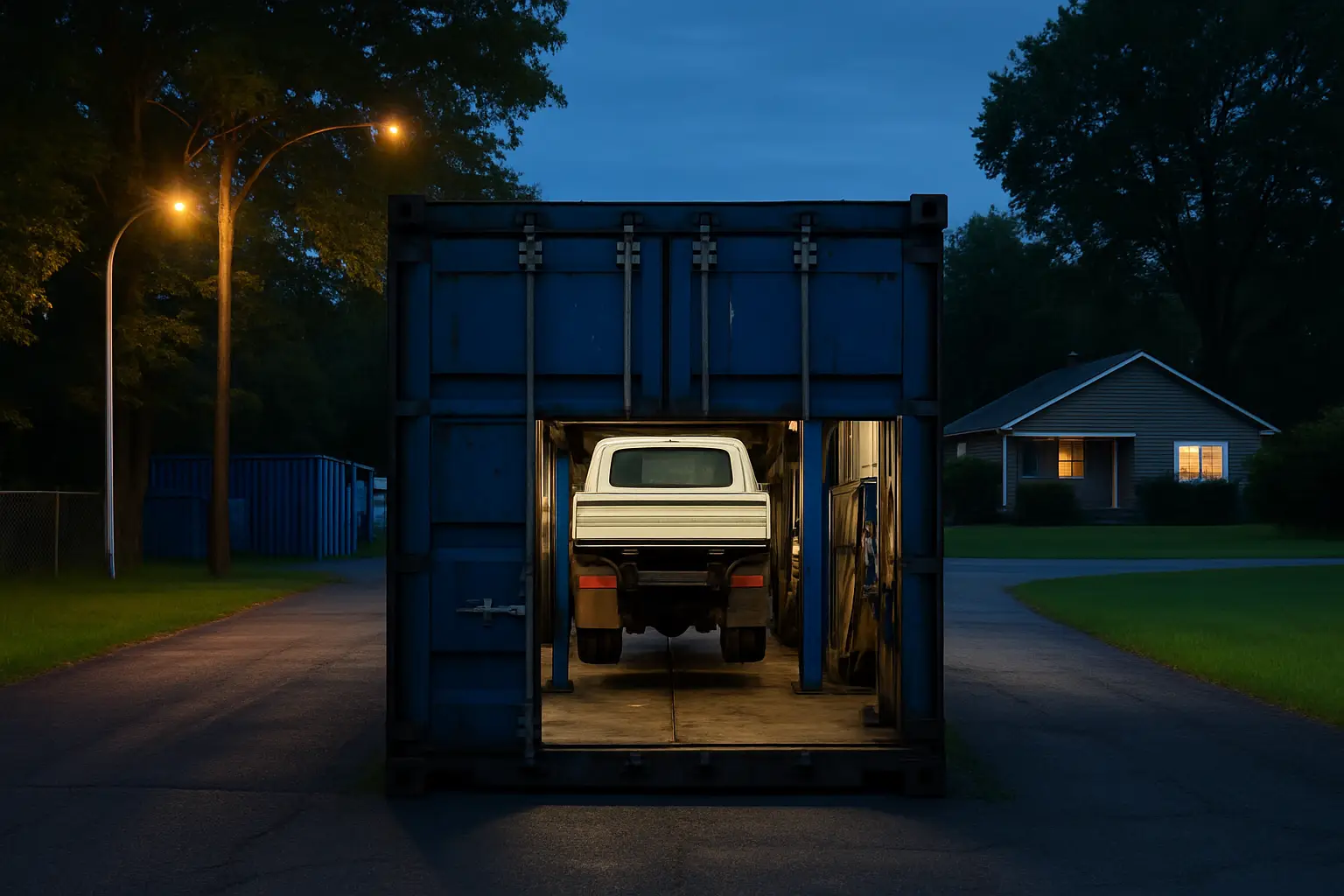
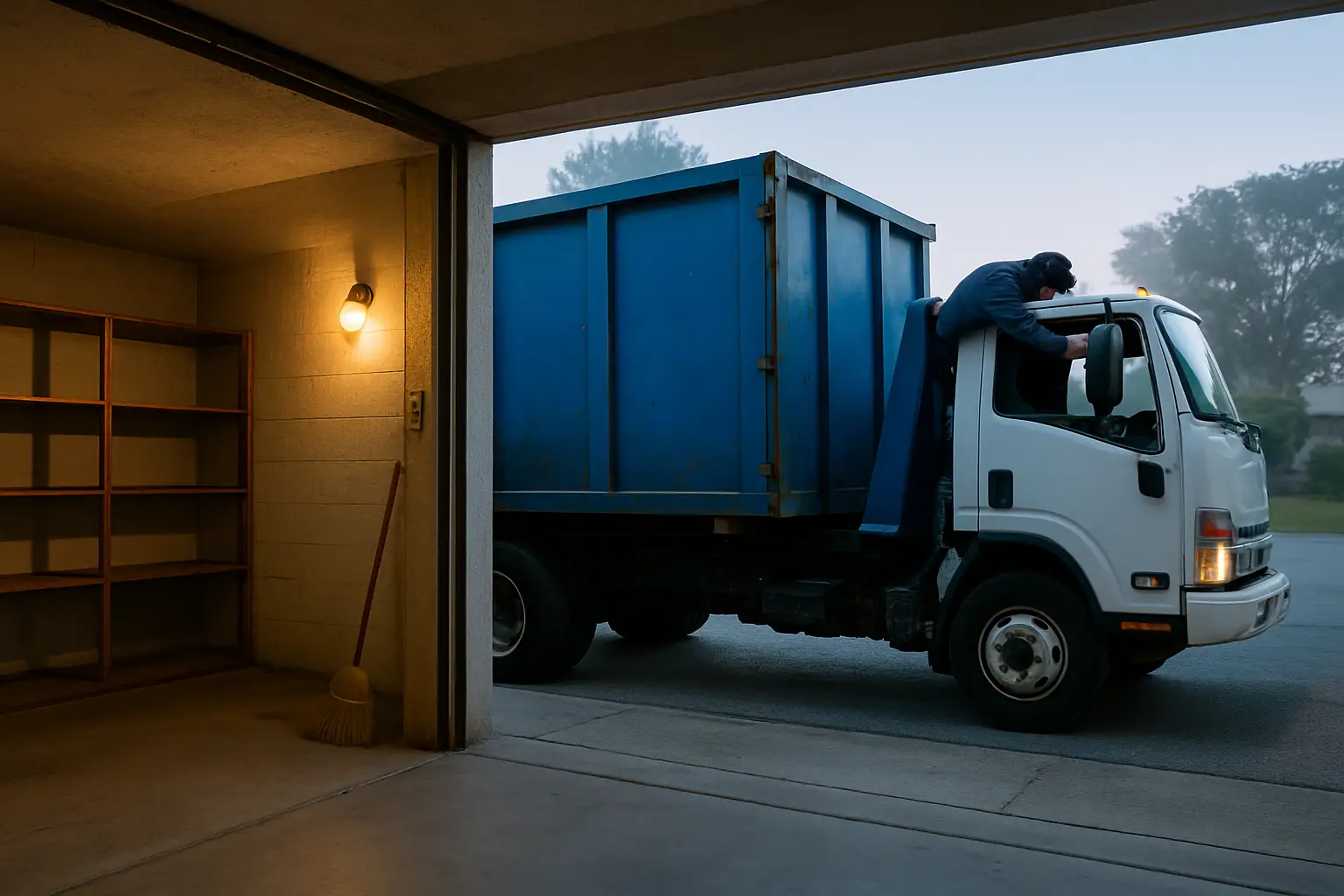
Finn Dumpster Rental confirms placement details and pickup status, with driveway protection checks documented for your project.

Dumpster Rental Oceanside, CA gives homeowners, contractors, and property managers a practical way to contain renovation and cleanup debris. Finn Dumpster Rental helps choose the right container, checks the placement area, and coordinates delivery and removal 24/7, Monday to Sunday. Tell us what you are removing before choosing a size.

  • Licensed, bonded and insured
  • Serving since 2019
  • 5165 containers delivered
  • Open 24/7, Monday to Sunday
  • Serving San Diego County

Local operating knowledge

Oceanside projects need a container plan

Finn Dumpster Rental has served the area since 2019, handling the practical details that determine whether a container works at an Oceanside property. We consider driveway width, overhead branches, curb position, surface condition, debris type, and the truck’s approach before delivery. That matters in older neighborhoods with narrower lots just as much as it does on newer streets with shared drives or tight garage access. Licensed, bonded and insured, our crew helps customers avoid paying for unused space or discovering too late that heavy material requires a different plan.

Oceanside properties vary from beach-area homes exposed to salt air and sandy soil to inland houses with sloped drives, block walls, and mature landscaping. A bathroom update may fit a smaller container, while concrete, roofing material, soil, and demolition debris can become a weight problem before the container looks full. Finn Dumpster Rental explains those tradeoffs plainly, including when a smaller option is enough. We provide dumpster service 24/7, Monday to Sunday, for residential cleanouts, remodeling, roofing, yard work, and commercial construction across the city.
Project-ready options

Oceanside dumpster service for real jobs

Different debris creates different loading and placement problems. These common project types help narrow the conversation before delivery, so the selected container matches the material, access, and expected volume.

  • Residential Cleanout Dumpsters

    Use a residential cleanout dumpster for garage clearing, move preparation, household accumulation, or a property turnover. Bagged waste, furniture, boxes, and ordinary household debris can be planned together. Share the driveway width and loading area so the container does not block a gate, garage, or neighbor’s access.

    Home cleanup
  • Home Renovation Dumpsters

    Kitchen tear-outs, bathroom updates, flooring removal, and moderate remodeling produce mixed debris that quickly occupies floor space. A renovation dumpster keeps material in one place while work continues. Tell us about cabinets, drywall, tile, lumber, and fixtures so the size recommendation reflects both volume and handling concerns.

    Remodel debris
  • Moving and Estate Cleanouts

    Moving and estate work often combines furniture, boxed belongings, shelving, carpet, and miscellaneous household material. A container can simplify sorting at the property, but reusable or restricted items should be separated first. We can discuss access around occupied homes, shared driveways, and properties awaiting sale or transfer.

    Property transition
  • Yard Waste Dumpsters

    Branches, brush, trimmings, sod, and landscape cleanup debris need room to settle without spilling above the container walls. Long limbs should be cut down before loading, and soil or rock should be disclosed because dense material changes the weight plan. Keep the placement clear of irrigation controls and tree trunks.

    Landscape cleanup
  • Roofing Debris Dumpsters

    Roof replacement creates dense loads of shingles, underlayment, flashing, and tear-off material. The container should sit close enough to reduce carrying distance but far enough from eaves and work zones for safe access. Protect the driveway and explain the roof area, material type, and expected tear-off before delivery.

    Roof replacement
  • Same-Day Dumpster Delivery

    Some cleanup decisions happen after a tenant leaves, a crew opens a wall, or a storm exposes damaged material. Same-day delivery depends on container availability, safe access, and a workable placement location, so provide the address, material, size preference, and timing need when discussing the job.

    Urgent scheduling
  • Concrete and Dirt Dumpsters

    Concrete, brick, asphalt, dirt, and tile are heavy long before they fill a container. These loads require an honest description of material and quantity, plus a stable placement surface and clear truck approach. In many cases, a smaller container is safer and more economical than a large one.

    Heavy materials
  • Commercial Construction Dumpsters

    Commercial construction sites may need space for framing scraps, drywall, packaging, roofing material, or demolition debris while trades continue working. We review gate access, staging areas, truck clearance, and pickup coordination. Keep the container away from active equipment paths and identify any dense materials before scheduling.

    Jobsite containment
  • Recurring Commercial Dumpster Service

    Recurring service suits businesses, contractors, and property managers with steady debris from ongoing work, tenant improvements, or regular maintenance. The useful plan depends on generation patterns, storage space, access hours, and pickup frequency. We can adjust the arrangement when a project moves from demolition to finish work.

    Ongoing service

Additional help

Choose another service when debris is not enough

How scheduling works

A straightforward plan prevents delivery problems

  1. Describe the project

    Start with the material, approximate amount, property address, and desired timing. Mention concrete, dirt, roofing debris, appliances, or demolition material immediately because density and handling can change the recommendation. A clear description is more useful than guessing from a container photo or choosing by project name alone.

  2. Review size and placement

    We discuss the container tier, driveway or street position, truck approach, overhead clearance, and surface condition. In Oceanside, a narrow coastal lot, sloped inland driveway, or shared access lane may affect placement more than the amount of debris. The goal is a usable location, not simply the closest open space.

  3. Prepare the delivery area

    Move vehicles, trim or account for low branches, unlock access points, and keep the planned placement free of loose objects. Protect irrigation boxes, pavers, landscaping edges, and garage access before arrival. If the container must sit on a public street, explain that during scheduling so local permission can be considered.

  4. Load within the rules

    Load material evenly and keep debris below the container walls so the lid or cover can be handled safely. Do not mix restricted materials or dense loads without discussing them first. Place heavy material across the floor rather than creating one concentrated pile near a door or corner.

  5. Coordinate pickup

    Tell us when the work is complete or when the container needs to leave. We confirm the pickup details, review access again, and document the completed coordination. If the project changes, such as adding roofing or demolition material, update the plan before loading more debris.

Why customers plan with us

The details matter more than a sales pitch

  1. Placement is treated as part of the job

    A container that technically fits may still damage a driveway edge, block a garage, interfere with a gate, or force workers to carry debris too far. Finn Dumpster Rental reviews the approach, surface, clearance, and loading position before delivery. That practical check is especially useful on older Oceanside lots, shared drives, and streets where curb space is limited.

  2. Size advice includes the material

    Volume alone does not tell you whether a container is suitable. Shingles, tile, concrete, dirt, and masonry become heavy quickly, while bulky furniture and packaging consume space without the same weight concern. We ask what is actually being removed and explain when a smaller container is the sensible choice or when a different plan is needed.

  3. The handoff stays visible

    Scheduled delivery windows are paired with driveway protection checks and documented pickup confirmation, so the important stages are not left vague. You know what placement was discussed and when removal coordination is complete. Finn Dumpster Rental brings that same record-minded approach to a bathroom update, a full property cleanup, or a commercial jobsite.

Working standards

What we check before the truck arrives

  • Material descriptions guide the container recommendation and prevent avoidable loading problems.
  • Driveway surfaces are considered before placement, especially pavers, asphalt edges, and sloped approaches.
  • Overhead branches and utility clearances must leave the truck room to operate safely.
  • Customers should keep vehicles, gates, and loose objects clear of the delivery path.
  • Dense materials require advance discussion because a full-looking container may already be too heavy.
  • Street placement usually requires local permission before the container can occupy public space.
  • Loading stays below the container walls so debris remains contained during handling.
  • Pickup coordination depends on clear access and notice when project conditions change.

Placement guidance

Where an Oceanside container can safely sit

A dumpster usually works best on a private driveway with a firm, reasonably level surface and enough straight approach for the delivery truck. In Oceanside, that can mean accounting for narrow lots near the coast, shared driveways in established neighborhoods, sloped approaches inland, block walls, parked cars, and mature trees. Keep the planned space clear of garage doors, gates, irrigation controls, low branches, and utility obstructions. A container on a public street usually needs town permission first; tell us where it has to sit and we will explain what applies. Do not assume a wide street solves the problem. The truck also needs room to align, place the container, and leave without climbing a curb or crossing a fragile edge.

The surface and approach matter as much as the container footprint. Soft soil, fresh asphalt, decorative pavers, cracked concrete, or a driveway with a sharp grade may require a different position or protection plan. The truck needs a clear path, usable overhead height, and enough room to operate its loading equipment without striking branches, walls, parked vehicles, or building corners. Coastal wind and salt exposure do not replace basic placement checks, and sandy shoulders are not automatically stable. Before delivery, move cars and trailers, unlock gates, cut back obvious branches, and identify any surface you do not want carrying concentrated weight. If the only practical location is curbside, discuss it before scheduling rather than after the truck arrives.

Material planning

How Oceanside homes affect size and weight

Oceanside’s housing mix changes the container decision. Older coastal homes and established neighborhoods may produce plaster, lath, flooring layers, cabinets, and compacted household contents during renovation or cleanout. Newer homes and larger inland properties may generate drywall, framing scraps, packaging, landscaping material, or bulky construction debris. A bathroom update can fit a smaller tier when fixtures and finishes are limited, while a kitchen remodel expands quickly once cabinets, counters, flooring, and wall material are removed. Estimate the material before choosing by room count alone. A container that looks partly empty can still be unsuitable if it holds concrete, tile, dirt, brick, or roofing material.

Weight deserves a separate conversation from volume. Shingles and tile stack densely, while branches, cardboard, and furniture take more space but behave differently under loading. Soil from a yard project is especially deceptive because a modest pile becomes heavy after excavation. Concrete and dirt may call for a smaller container, a specific loading plan, or another disposal arrangement rather than a large box filled to the top. Tell us whether the debris is mixed, where it came from, and whether the crew is removing it continuously or in one push. Keep dense material spread across the floor, never above the walls, and separate anything that may require special handling.

Questions before delivery

Answers to common Oceanside dumpster questions

What size dumpster do I need for a home cleanout?

A home cleanout commonly needs a 10 Yard, 15 Yard, or 20 Yard container, depending on furniture, boxes, flooring, fixtures, and the amount of material removed. Larger property cleanouts may require more capacity. In Oceanside, tight driveways can affect the usable placement. List the rooms, bulky items, and access conditions before choosing.

Can a dumpster go on my Oceanside street?

A dumpster may be placed on a public street only when the location and local requirements allow it, and town permission is usually needed first. Private driveways are often simpler, but curb position may be necessary on some lots. Tell us the exact placement, nearby intersections, and whether the street is narrow before scheduling.

How much driveway space does a dumpster need?

The container needs its own footprint plus a clear truck approach and room for loading equipment to place it safely. Cars, gates, branches, walls, and overhead obstructions can make a seemingly open driveway unusable. Coastal lots often have limited depth. Send the driveway width, slope, surface type, and nearby obstacles when discussing placement.

Can I put concrete and dirt in a dumpster?

Concrete and dirt may be accepted only under a suitable heavy-material plan because they become too heavy before a container looks full. Tile, brick, asphalt, and masonry deserve the same disclosure. Inland Oceanside yard work can create dense soil loads quickly. Describe the material and approximate amount so the proper option can be reviewed.

How should I prepare for dumpster delivery?

Clear vehicles, trailers, gates, branches, toys, and loose objects from the delivery path. Protect or identify pavers, irrigation controls, landscaping edges, and surfaces that need special care. Make sure the truck can approach without crossing a fragile shoulder. Have the address, placement location, material list, and preferred timing ready.

How long can I keep a dumpster?

The allowed rental period depends on the project arrangement and pickup coordination, so it should be discussed before delivery rather than assumed. A remodel, cleanout, and commercial job may each need a different schedule. Oceanside weather and changing contractor phases can affect timing. Explain when loading starts and what may change before pickup.

Can I get dumpster delivery 24/7?

Finn Dumpster Rental is available 24/7, Monday to Sunday, for scheduling and service coordination. Availability does not guarantee an immediate arrival because container supply, access, placement, and route planning still matter. Coastal traffic, narrow streets, and active jobsites can affect logistics. Share the needed date, address, size, and placement details.

What cannot go in a dumpster?

Restricted materials vary by disposal requirements, so ask before loading chemicals, fuels, batteries, liquids, pressurized containers, hazardous substances, or other questionable items. Do not hide prohibited material beneath ordinary debris. Oceanside remodeling and landscaping projects can mix several material types. Provide a complete list, and keep uncertain items separated until the plan is confirmed.

Plan the job

Bring the right details to the call

Finn Dumpster Rental can help narrow the size, placement, and pickup plan before a truck is scheduled. Describe the Oceanside property honestly, including driveway conditions, street access, debris type, and any dense material. Service is available 24/7, Monday to Sunday, and the discussion should leave you with a workable next step.

Phone

(442) 237-9488

The call covers container size, material limits, placement, delivery coordination, and pickup planning.

Availability

24/7
Monday to Sunday, day and night

Have this ready

  • Project address
  • Debris description
  • Preferred placement
  • Needed timing

Where we work

Oceanside, plus Vista, Carlsbad, San Marcos, Encinitas, Escondido, Solana Beach, Del Mar, Poway, San Diego and Santee.

See the full service area list

Make the container fit the work

A short planning conversation can prevent a blocked driveway, an overloaded container, or a size that wastes money. Tell Finn Dumpster Rental what the project is producing, where the container must sit, and when the work needs support.

Click Here to Call(442) 237-9488

Local service area

Dumpster service across Oceanside

Finn Dumpster Rental serves Oceanside and nearby San Diego County communities, including Vista, Carlsbad, San Marcos, Encinitas, Escondido, Solana Beach, Del Mar, Poway, San Diego, and Santee. This homepage focuses on Oceanside placement, housing, and project conditions. If the property is outside the city, provide the exact address so access and scheduling can be reviewed accurately.

Downtown OceansideFire MountainSouth OceansideNorth ValleyEastside CapistranoOcean Hills

Dumpster Rental in nearby towns

Click Here to Call(442) 237-9488